
Research Team
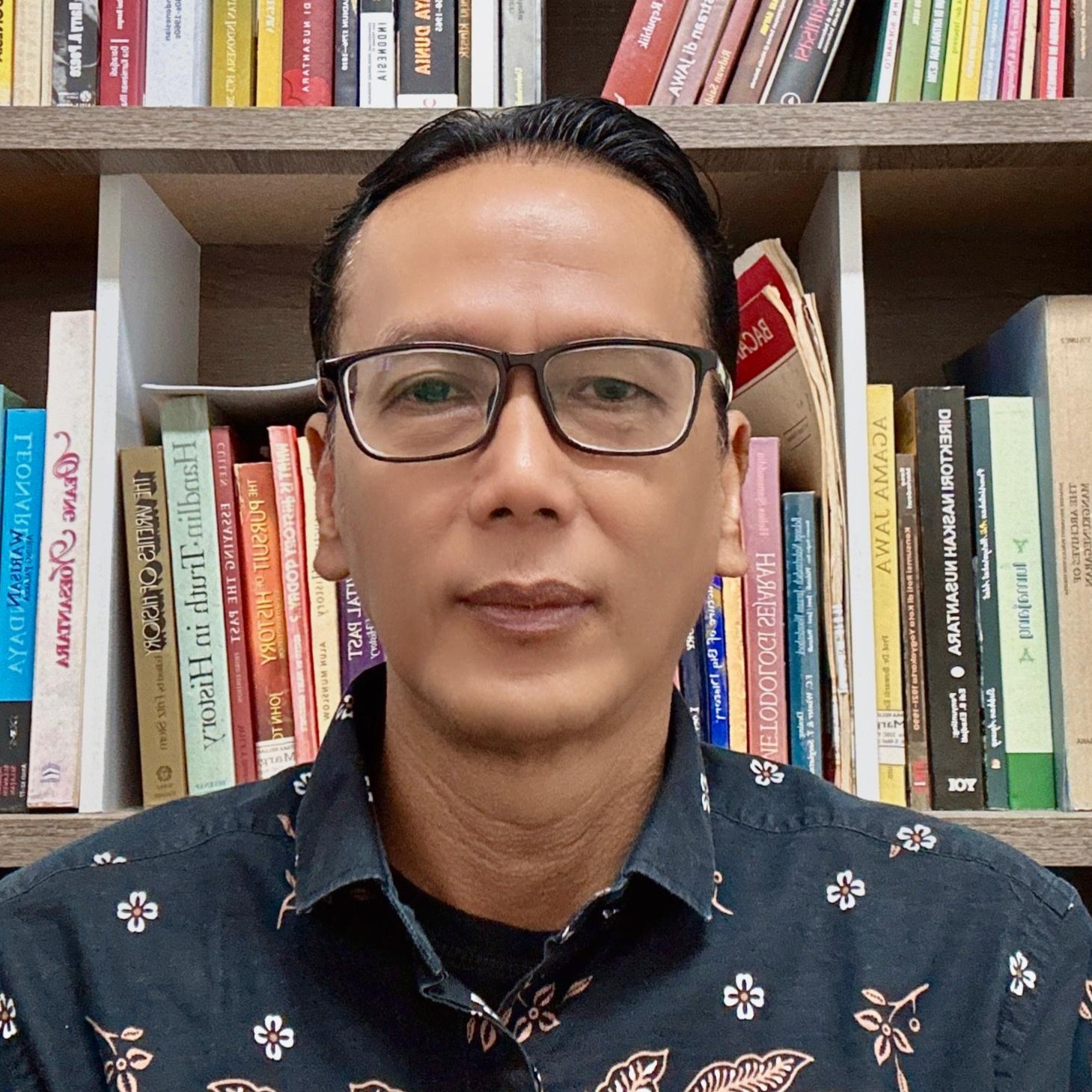
Sri Margana is a Senior Lecturer in the Department of History at Universitas Gadjah Mada (UGM) and a distinguished scholar of Javanese colonial and socio-cultural history. He earned his Ph.D. in Early Modern Indonesian History from Leiden University in 2007. He currently serves as the Principal Investigator and Project Leader of the Restituting, Reconnecting, Reimagining Sound Heritage project (Re:Sound, 2025–2028). His research leadership plays a crucial role in shaping the project’s critical engagement with historical archives and its broader contributions to decolonial scholarship.
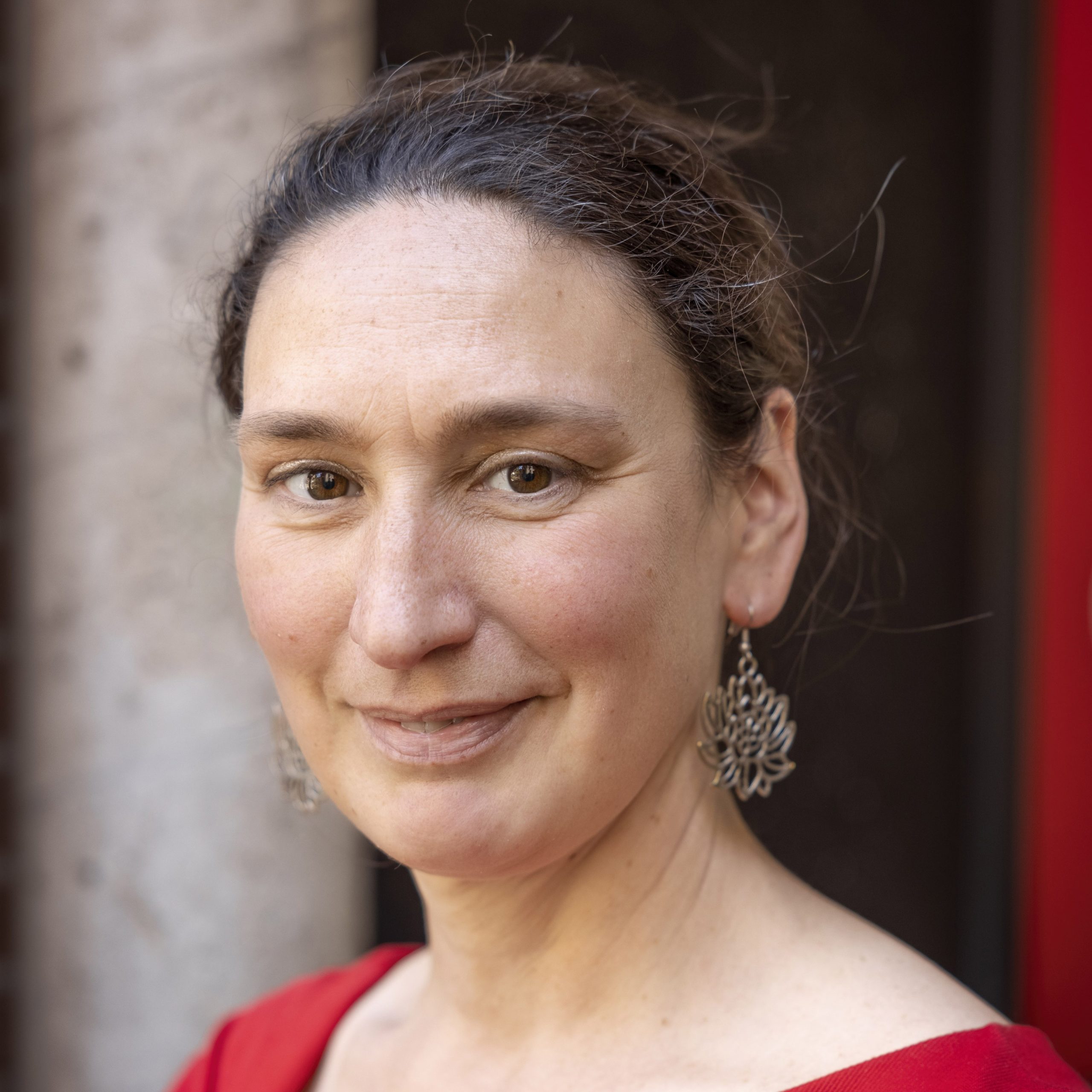
Barbara Titus is an Associate Professor of Cultural Musicology and the curator of the Jaap Kunst Sound Collection at the University of Amsterdam. She is the author of two books Recognizing Music as an Art Form: Friedrich Th. Vischer and German music criticism, 1848-1887 (Leuven University Press, 2016), and Hearing Maskanda: Musical Epistemologies in South Africa (Bloomsbury, 2022). Together with meLê yamomo she was the project leader of the JPICH-funded research project Decolonizing Southeast Asian Sound Archives (DeCoSEAS, 2021-2024). She is an executive team member of the NWO-funded project Restituting, Reconnecting, Reimagining Sound Heritage (Re:Sound, 2025-2028). She participated in two restitution projects of audiovisual material of Indonesian music and dance recorded by Jaap Kunst in 1930 to communities in Nusa Tenggara Timur (Pojok Jaap Kunst, 2024) and in Nias (Suara yang Pulang, 2025).
MeLê Yamomo listens to history, composing echoes of the past into resonances of the present. Based between Amsterdam and Berlin, he is Assistant Professor at the University of Amsterdam and a member of the Amsterdam Young Academy. He is a PI of Re:Sound, and the project leader of the EU-funded DeCoSEAS (Decolonizing Southeast Asian Sound Archives) and the NWO-funded Sonic Entanglements, advancing equitable, community-centered engagements with colonial sound collections. Tawid, a grant program founded through his 2020 KNAW Early Career Award, supports community-led sound archival research in Southeast Asia. His work dissolves the boundary between scholarship and artistic practice so closely that “it is hard to hear where one begins and the other ends” (2022 Open Ear Composer Prize Jury Report). As artist-scholar, yamomo develops expanded compositional and listening practices that imagine decolonial futures.
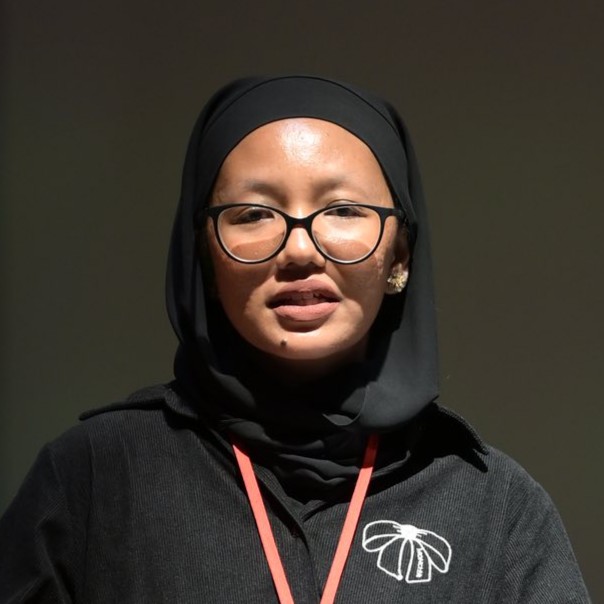
Rani Fitriana (Rani Jambak) is a renowned composer, producer, field recordist, and vocalist from Medan, Indonesia, with Minangkabau roots. Her artistic work centres on the blend of electronic music, soundscapes, and socio-cultural themes, often addressing ecology, ancestral knowledge, and decolonisation through sound. She is recognised for initiating the #FORMYNATURE music-ecology campaign and creating innovative instruments like the Kincia Aia, inspired by traditional Minangkabau water wheels. Rani combines local wisdom with contemporary critical dialogue, and her expertise in field recording and sonic heritage positions her as a significant voice in archiving and reimagining Southeast Asian sounds. She received The Oram Awards in 2022 and is a PhD researcher on the NWO-funded project Restituting, Reconnecting, Reimagining Sound Heritage (Re:Sound).
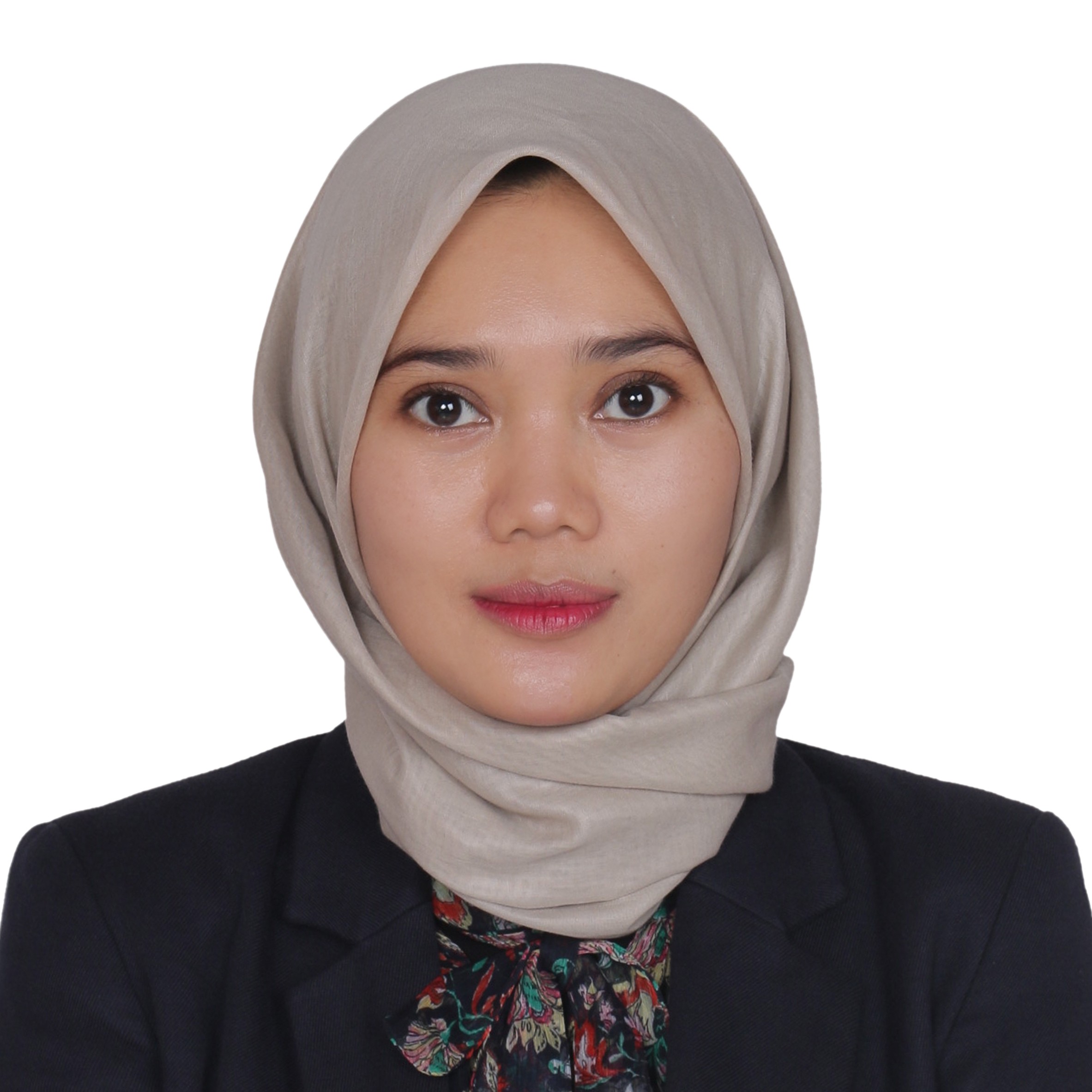
Widya Fitria Ningsih is an Assistant Professor in the Department of History at the Faculty of Cultural Sciences, Universitas Gadjah Mada (UGM). She earned her Ph.D. from Vrije Universiteit (VU) Amsterdam in 2022. Her research specialises in women’s and gender history, decolonial movements, transnational history, food sovereignty, and sonic heritage. She currently serves as the Project Manager for the NWO-funded project, Restituting, Reconnecting, Reimagining Sound Heritage (Re:Sound, 2025-2028).
Monique Groot works as a Product Manager at NISV. In her work she questions archival practices in an effort to decolonize the archive. Together with members of underrepresented communities she works on polyvality of the collection of NISV. In her current project Sounds Familiar she works with members of the Suriname and Moluccan community in order to improve the descriptions and search terms of the existing metadata and analyse the silences in the collection.
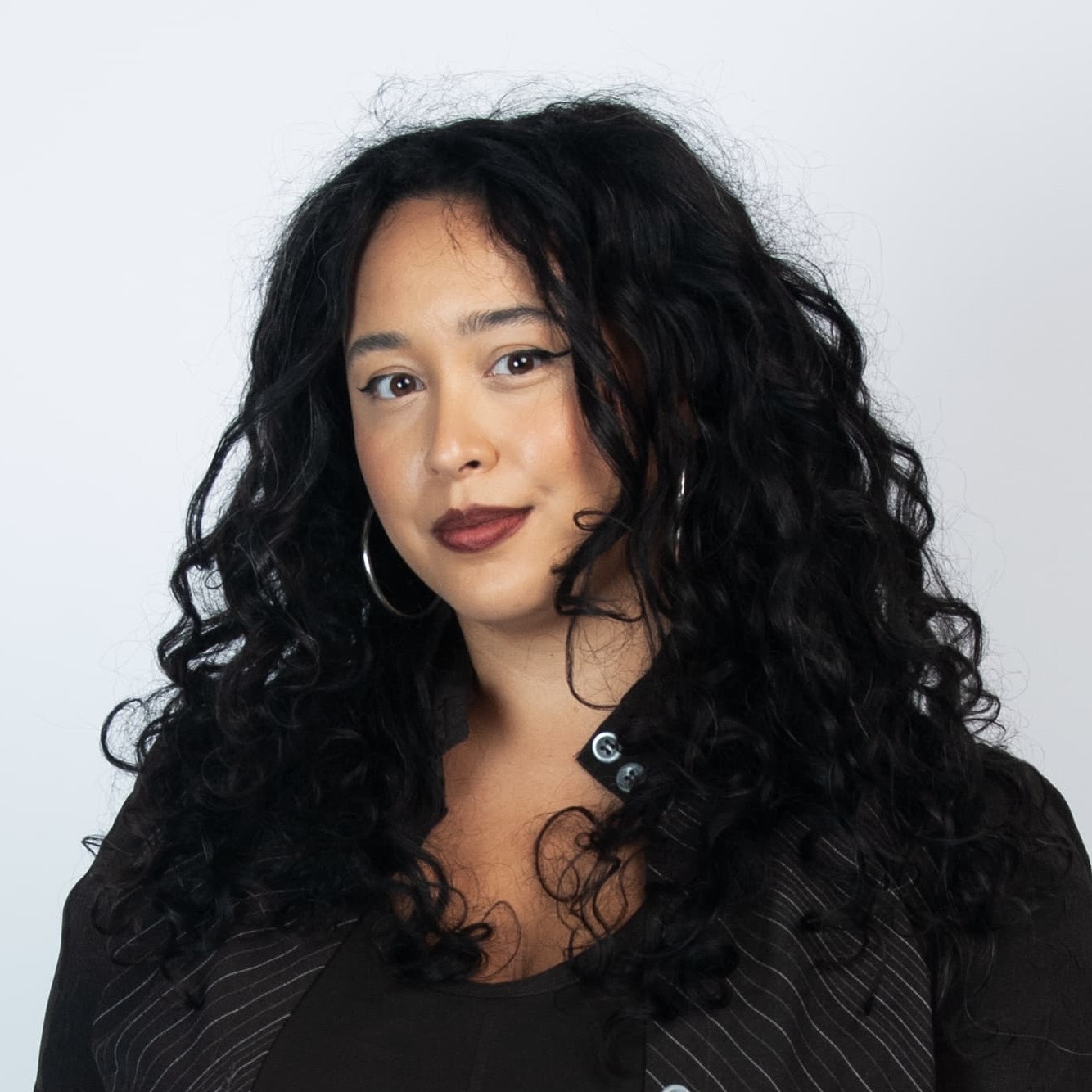
Stevie Nolten works as a decolonial archival researcher at the Netherlands Institute for Sound and Vision. She is committed to democratising and repatriating colonial heritage material, working closely with underrepresented communities to identify and fill in archival silences. She co-founded the project Sounds Familiar, in search of creating a more polyvocal archive that deals with colonial history in its many facets by transferring agency. Stevie holds a MA in Cultural policy, specialized on how cultural institutions can contribute to society in inclusive ways. In addition to her research, Stevie has been a council member for the anti-capitalist party BIJ1 in the city of Utrecht.